
Built Small, Works Big.
Car Photography Week on Substack

A few weeks ago, Josh Weinberg reached out to me and asked, “Would you like to participate in Car Photography Week?” I thought it sounded like a fantastic opportunity and immediately replied, “I’d love to.”
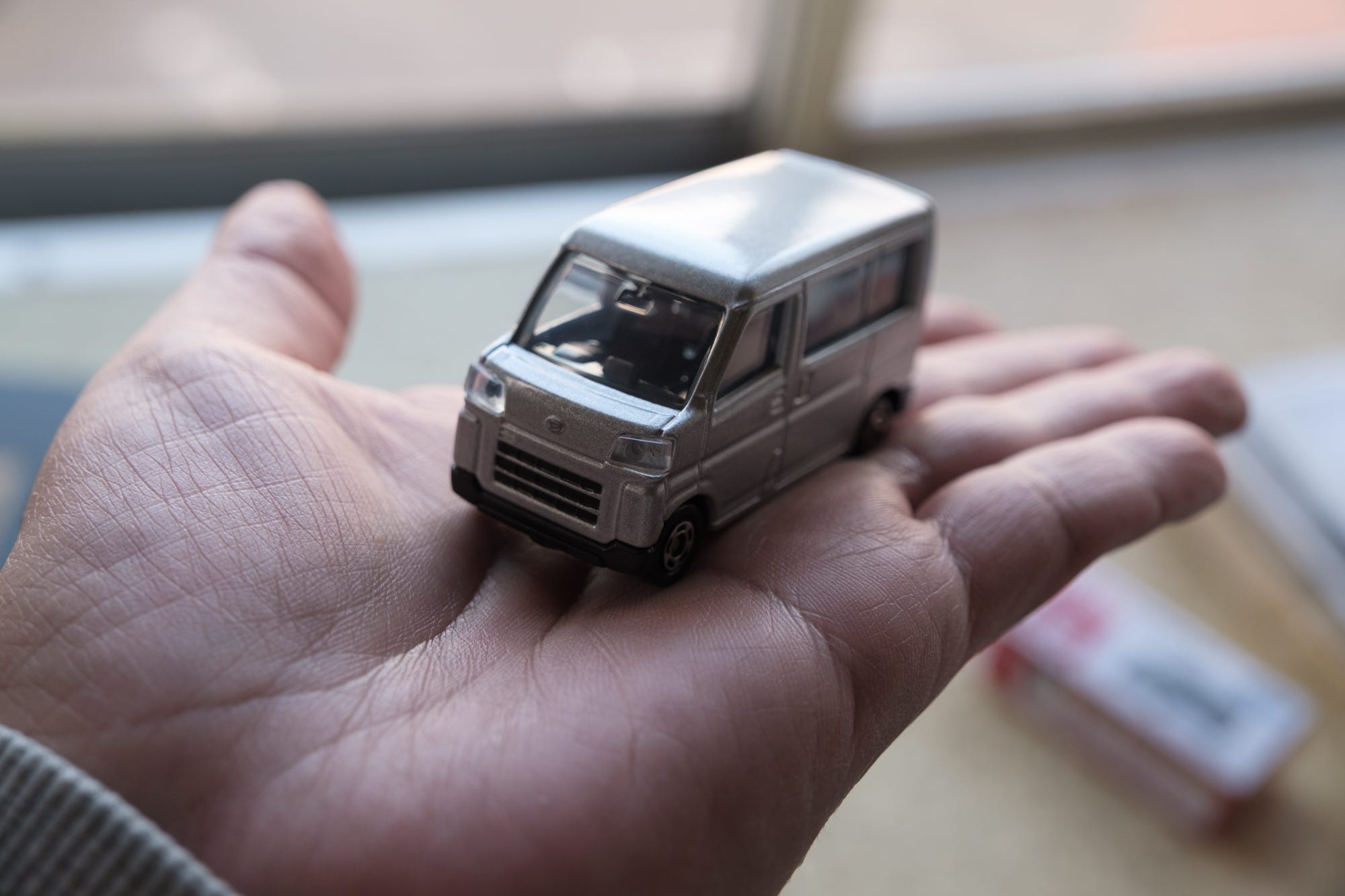
I spent some time debating what kind of photos I should post. Ultimately, I decided that it would be best to share something that truly captures the essence of JAPAN ORDINARY, so I chose to feature Kei cars (Kei means ‘lightweight’). Kei cars are small vehicles equipped with engines under 660cc; they are incredibly common, accounting for about 40% of all cars on the road in Japan.
Key Specifications for Kei Cars
Length / 3.40 m or less
Width / 1.48 m or less
Height / 2.00 m or less
Engine Displacement / 660 cc or less
Passenger Capacity / 4 people or less
Maximum Payload / 350 kg or less
In Japan, vehicles that fall within the aforementioned specifications enjoy lower taxes, mandatory insurance premiums, and highway tolls compared to standard passenger cars.
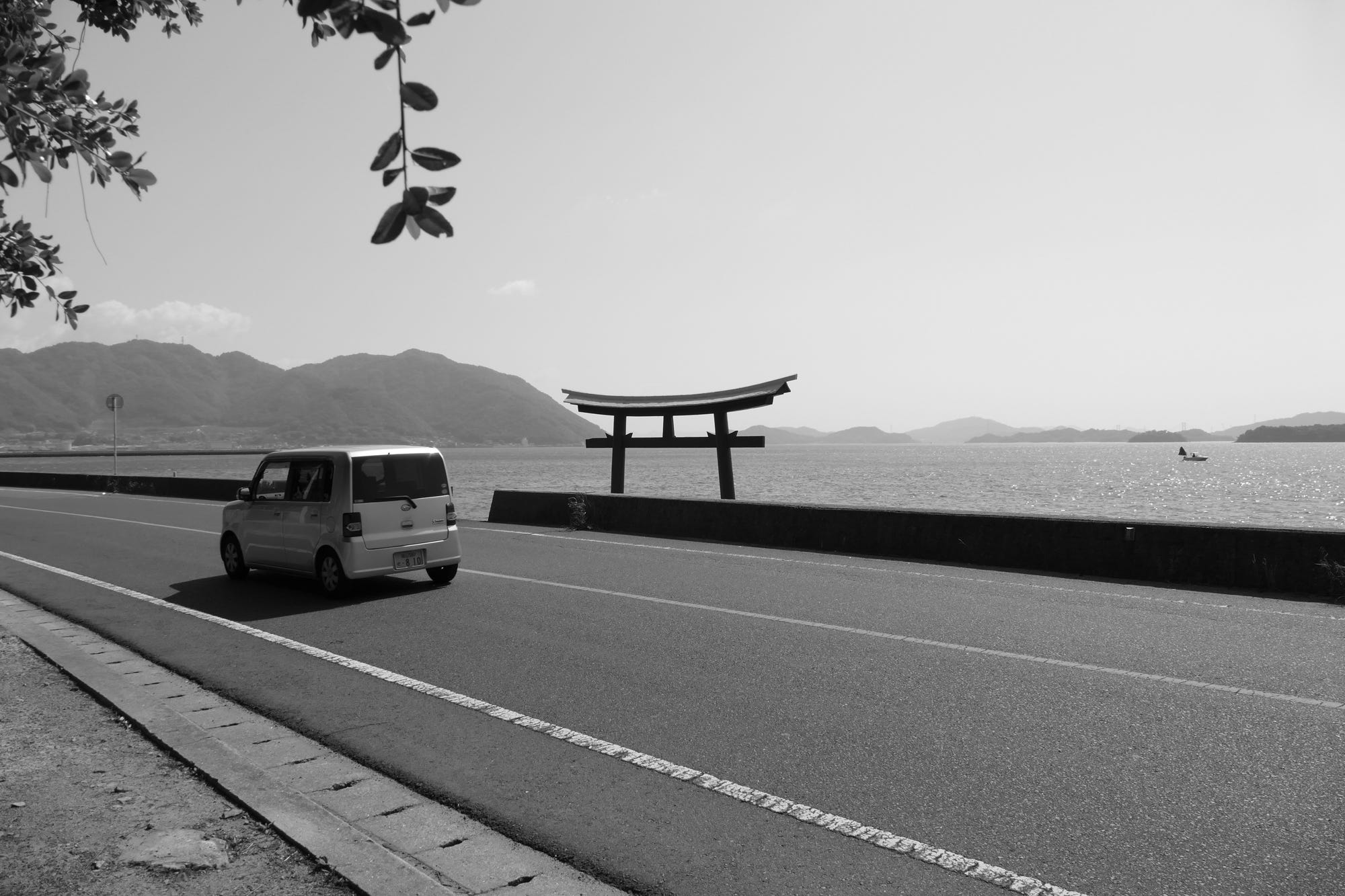
Beyond the standard passenger models used for daily commuting, there is also a high demand for Kei trucks and Kei vans, which are frequently used in agriculture and delivery services. In a country like Japan, where many roads are narrow, these compact vehicles offer a distinct advantage due to their maneuverability.
In this article, I have curated a selection of photos that I hope will convey exactly what Kei cars represent in Japanese society.
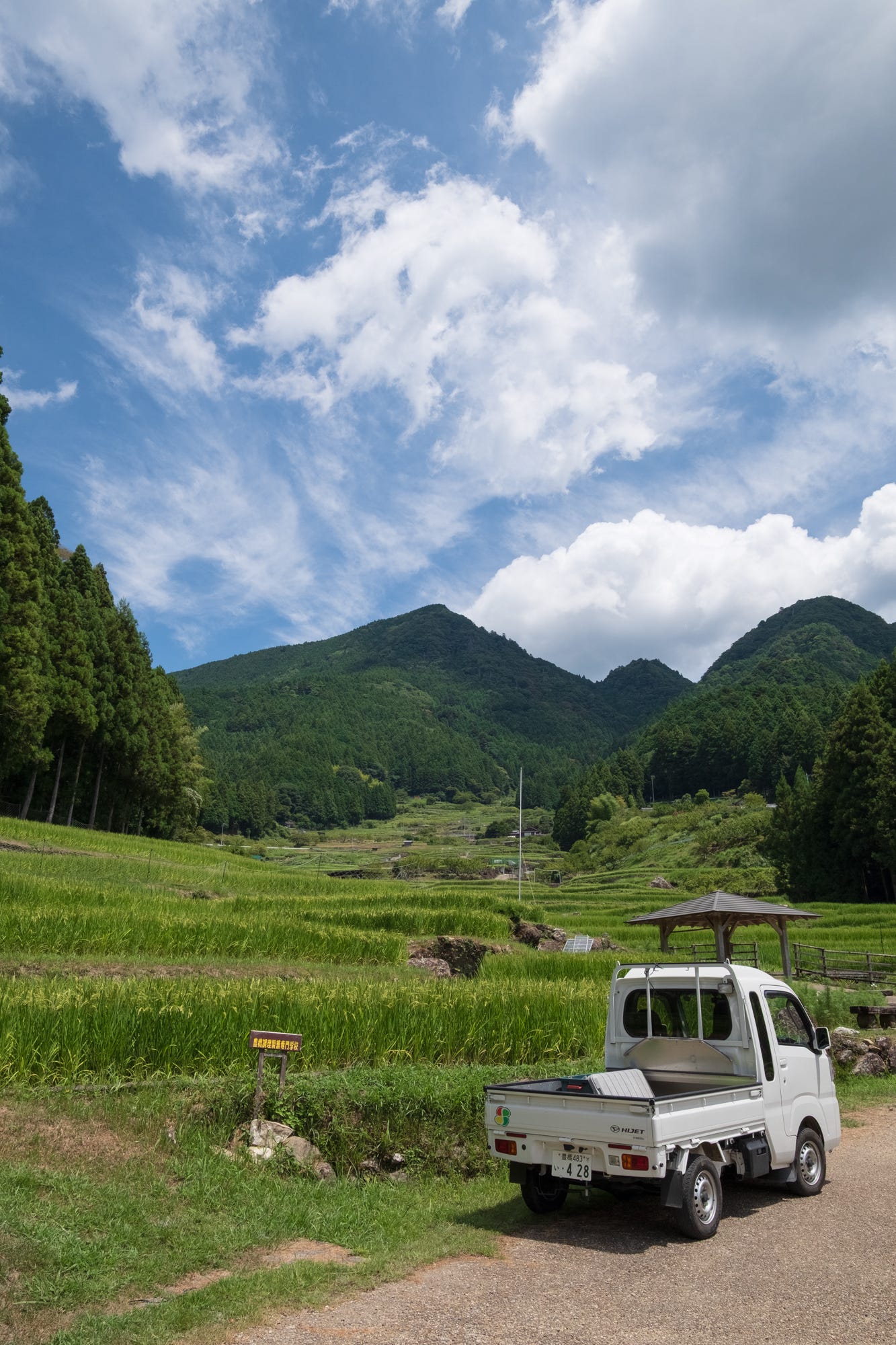
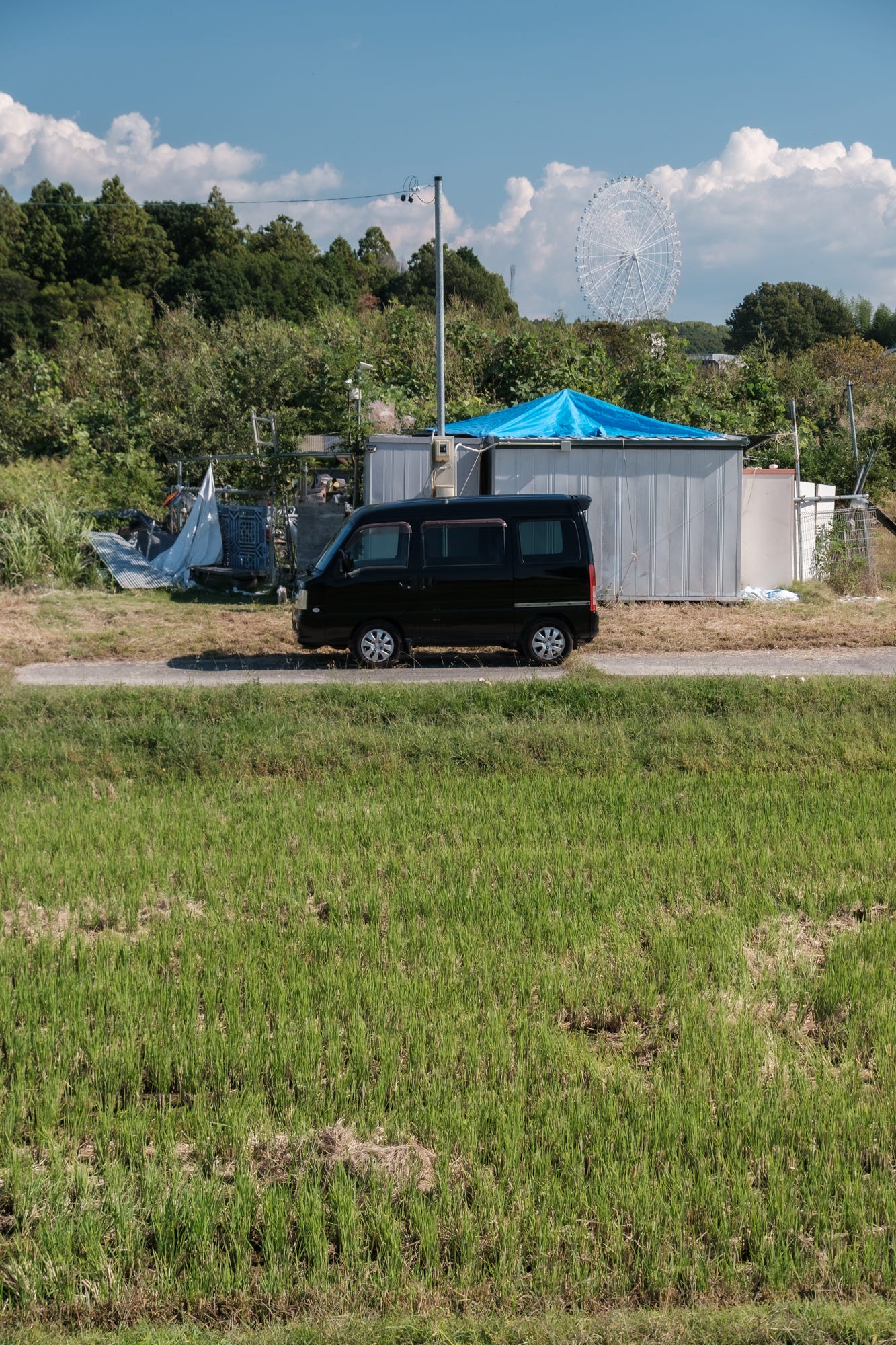
Currently, only four manufacturers in Japan—SUZUKI, DAIHATSU, HONDA, and MITSUBISHI—independently develop and produce their own Kei cars. While TOYOTA, SUBARU, and MAZDA also sell Kei cars under their own brand names, these are OEM models: TOYOTA and SUBARU sell vehicles manufactured by DAIHATSU, while MAZDA sells those produced by SUZUKI. Additionally, although NISSAN collaborates with MITSUBISHI on planning and development, the actual manufacturing of NISSAN-branded Kei cars is handled by MITSUBISHI.
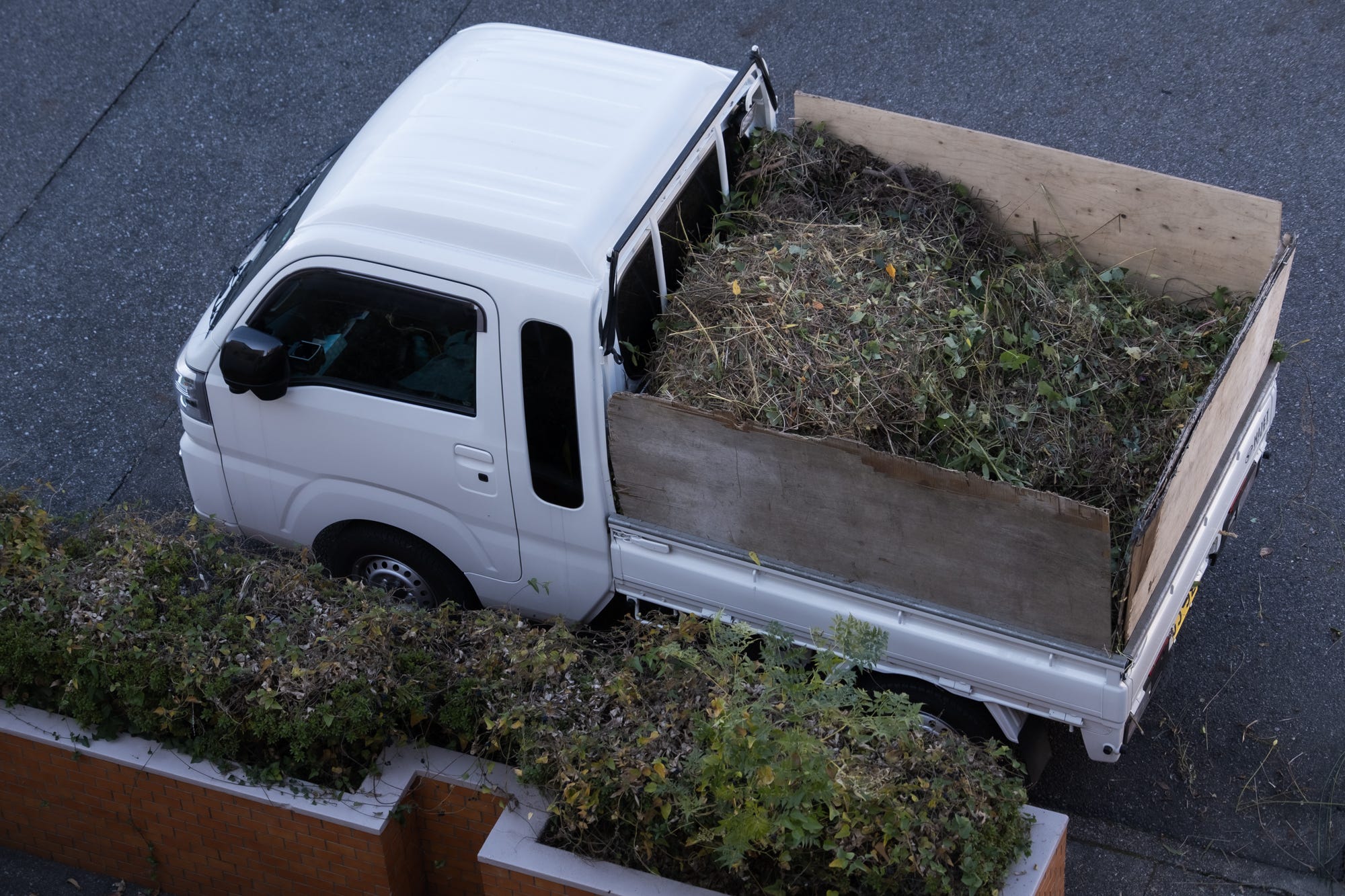
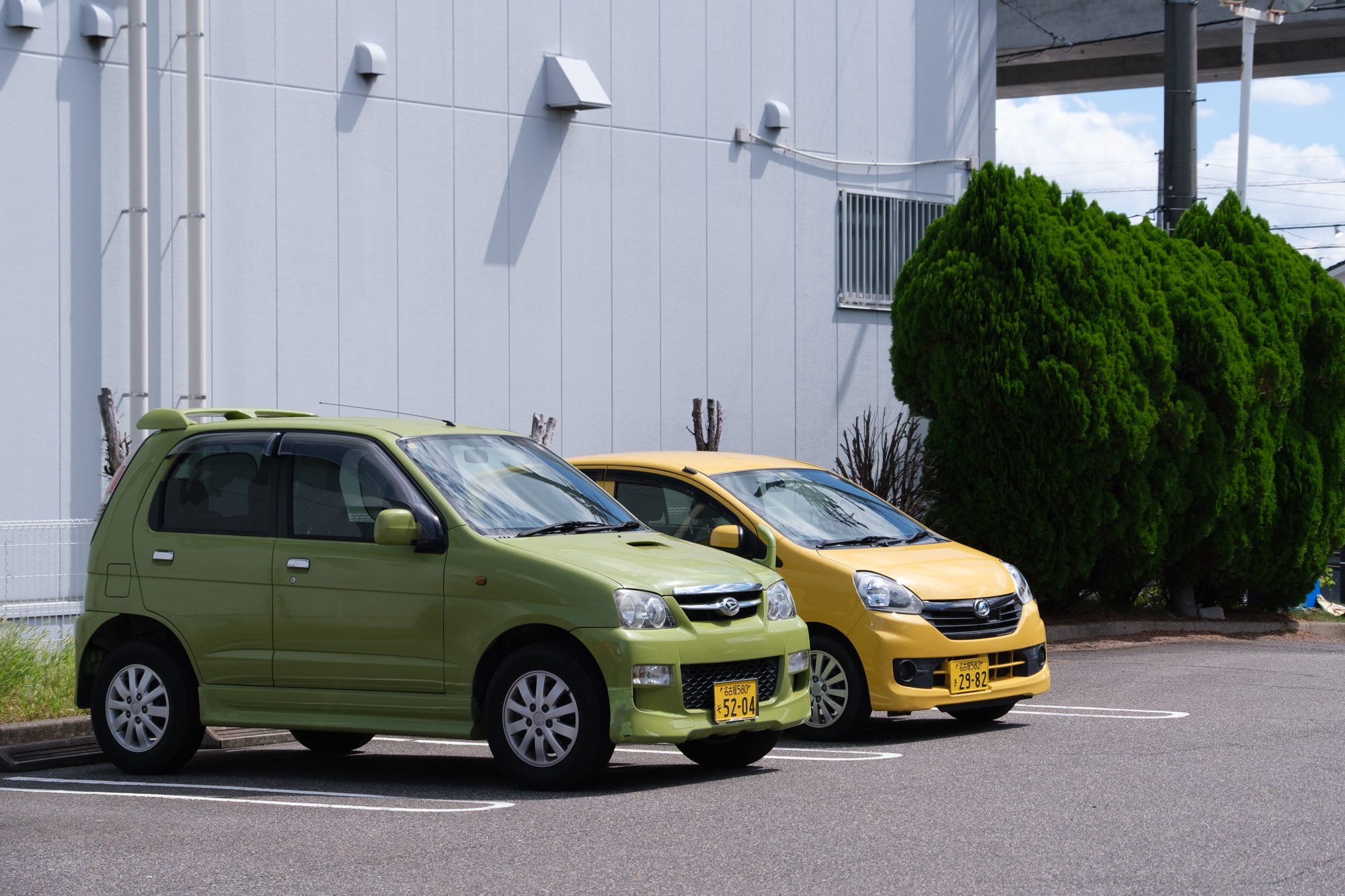
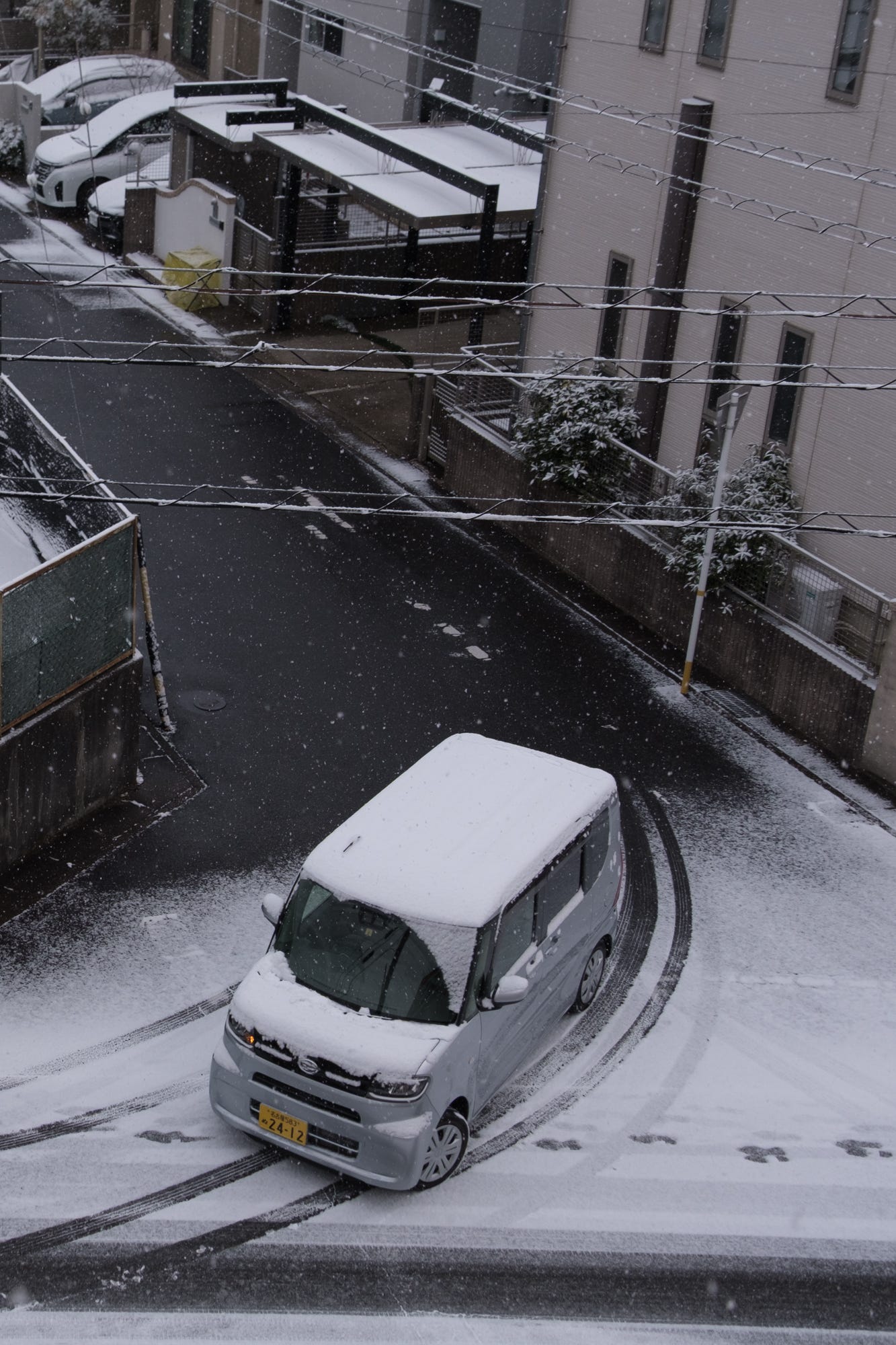
The quickest way to identify a Kei car at a glance is by the color of its license plate. In Japan, plates are color-coded based on the vehicle’s size and purpose. Standard and large vehicles use two colors: white and green. White is for private use, while green is for commercial use, such as taxis, route buses, and freight trucks. Meanwhile, Kei cars also have two colors: yellow and black. Yellow is for private use, and black is for commercial light vehicles like delivery vans. In short, if you see a car in Japan with a yellow or black license plate, it is a Kei car.
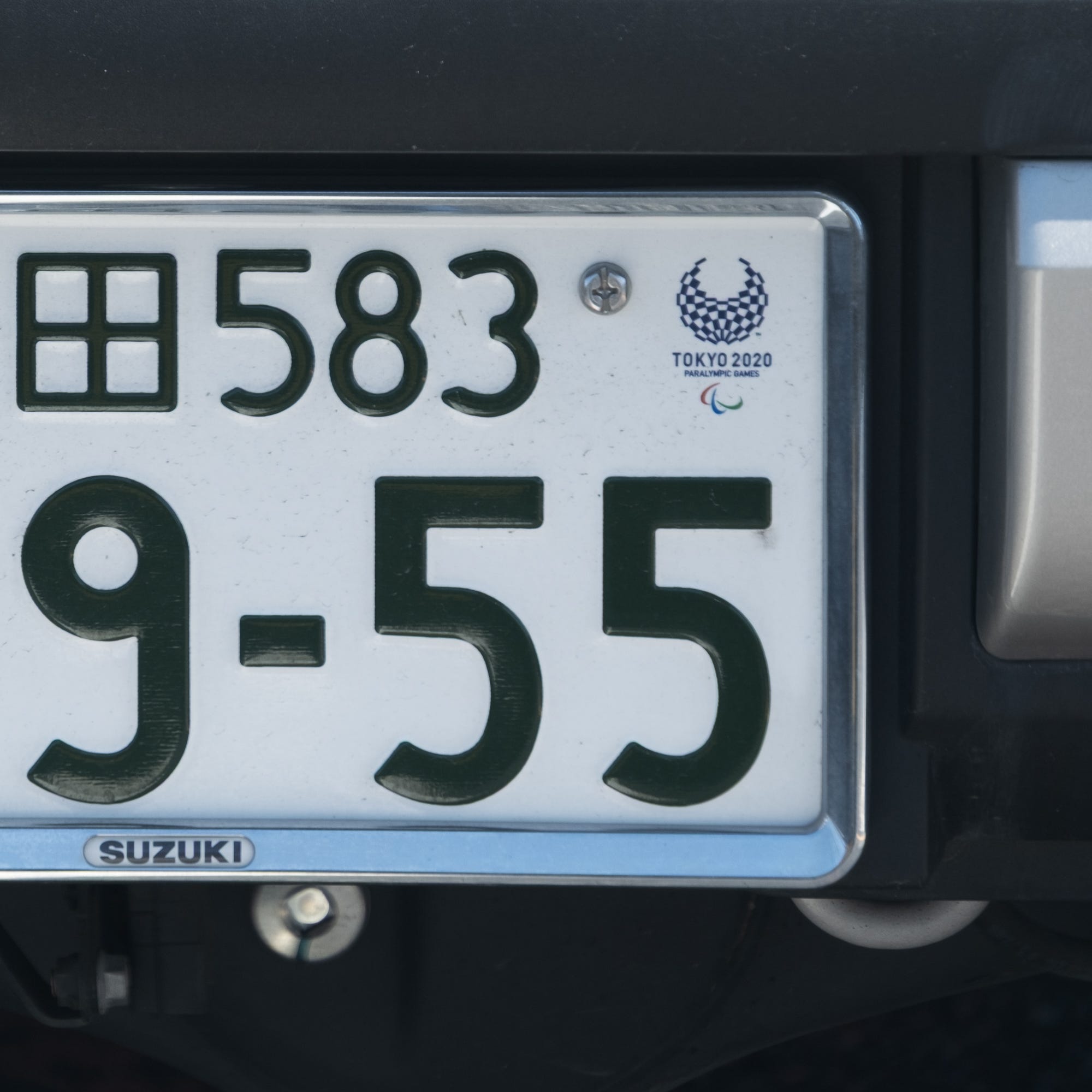
However, this method of identification has become less reliable in recent years. This is because Kei cars with white license plates have started to appear. For instance, special-edition plates commemorating the 2019 Rugby World Cup or the Tokyo 2020 Olympic and Paralympic Games (which were delayed by a year due to the pandemic) looked white at first glance, despite having a small tournament emblem in the corner. Furthermore, various colorful, illustrated plates designed to promote local tourism have also been introduced across Japan.
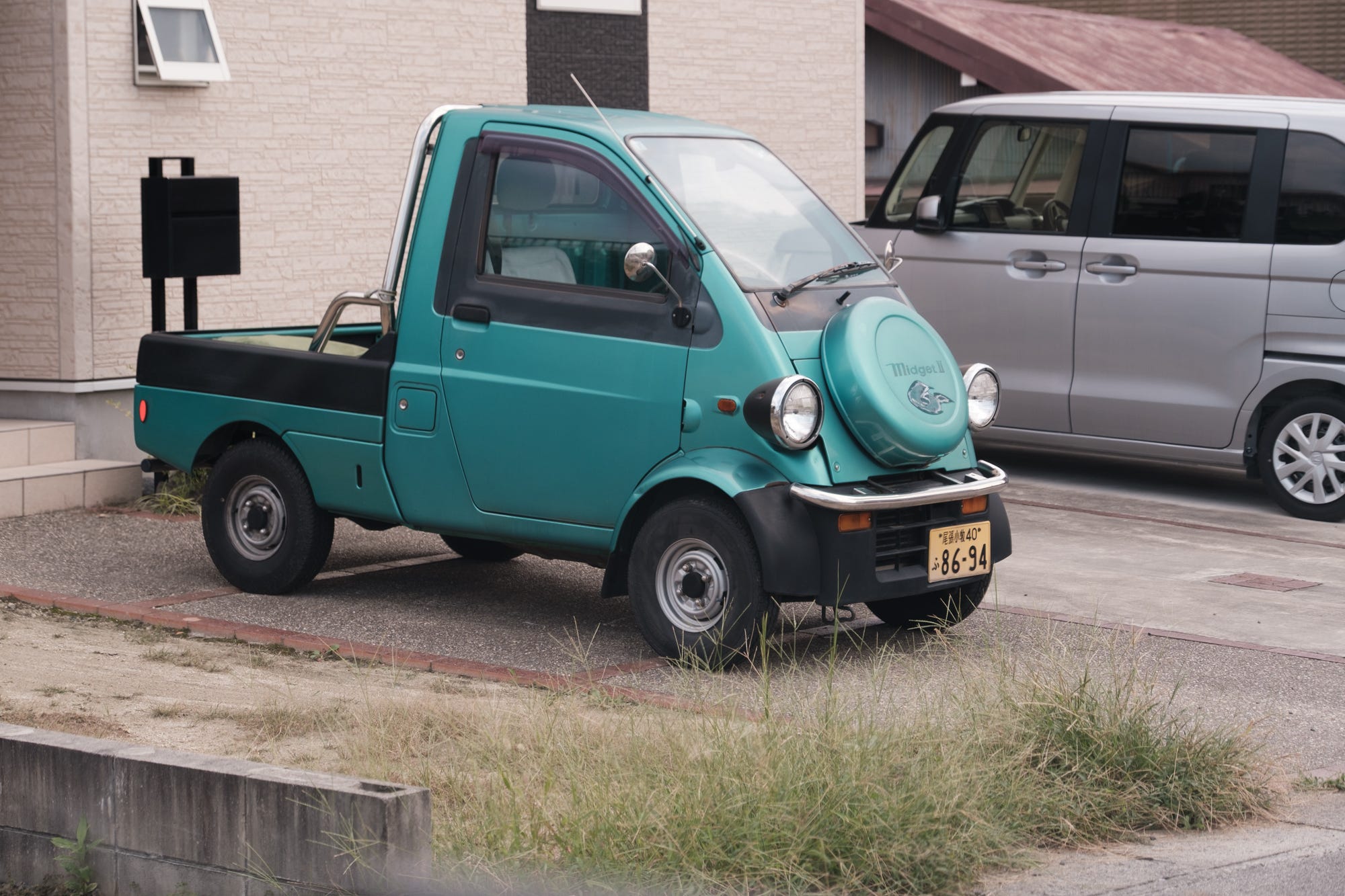
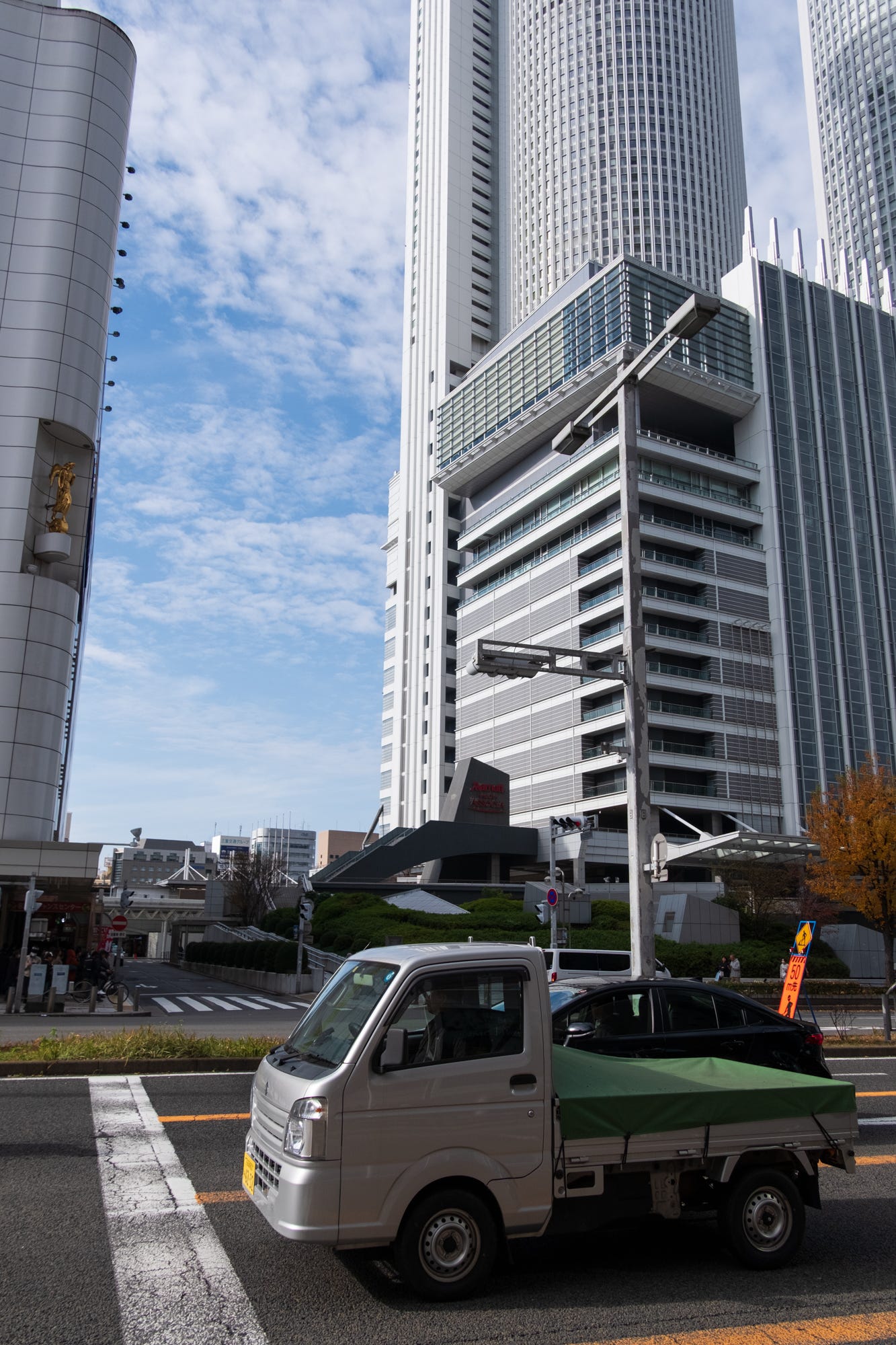
Kei cars are generally not exported due to differences in international standards. However, they have gained a cult following in the United States thanks to what is known as the “25-year rule”. Under this regulation, vehicles that are at least 25 years old are exempt from modern safety and emission standards. As a result, an increasing number of enthusiasts are importing used Japanese Kei trucks and hatchbacks, drawn by their unique charm and practicality.
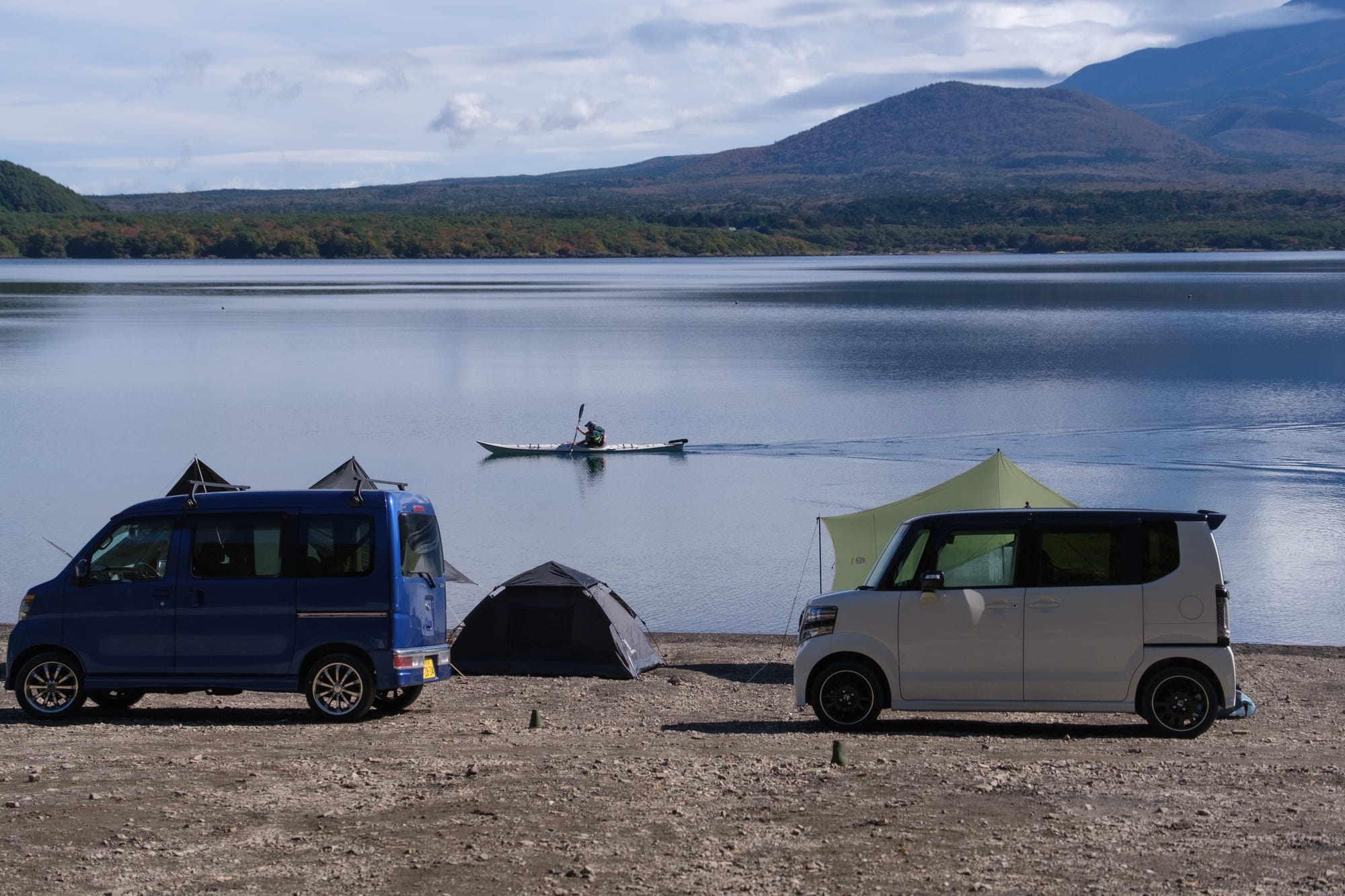
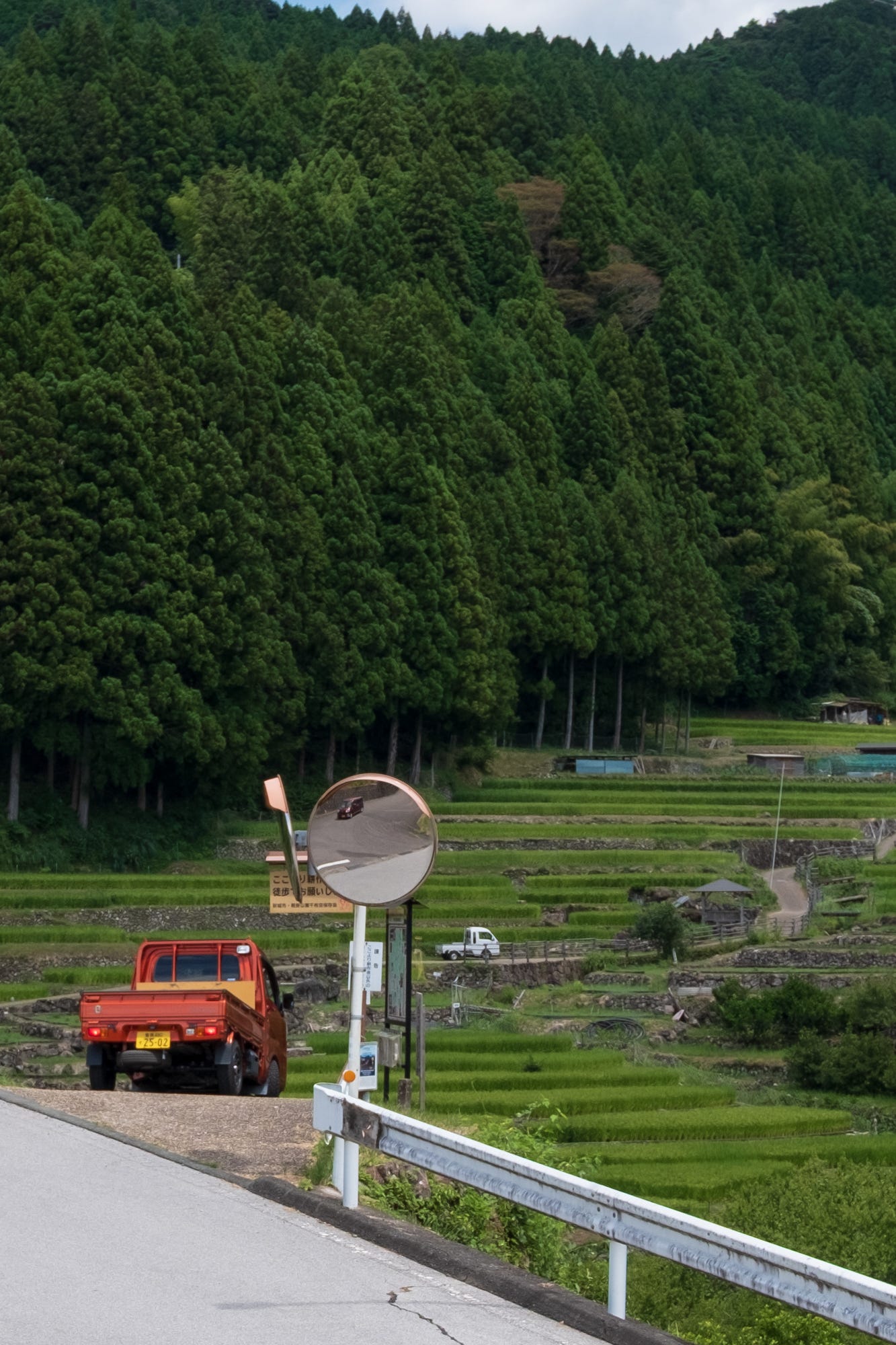
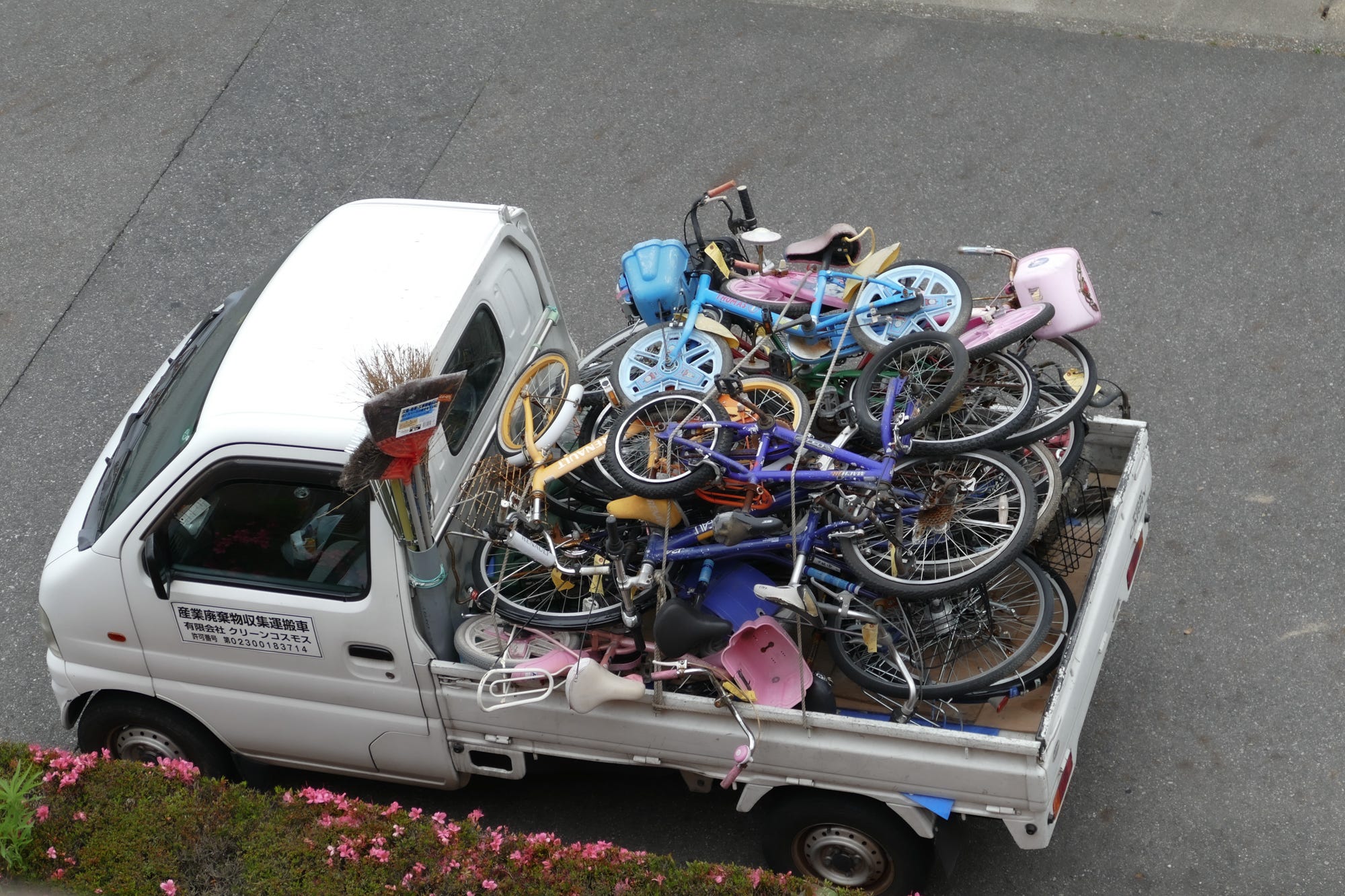
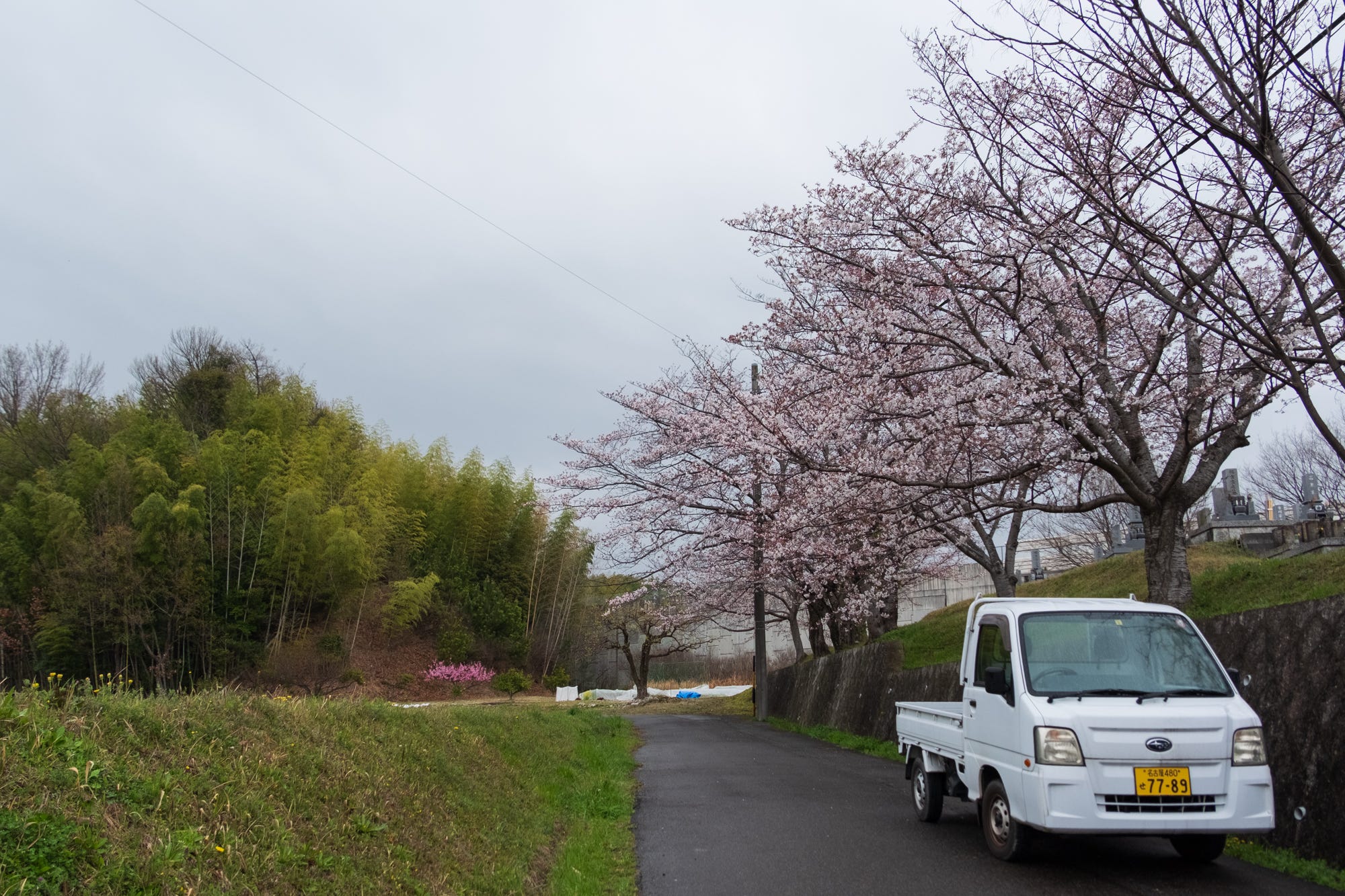
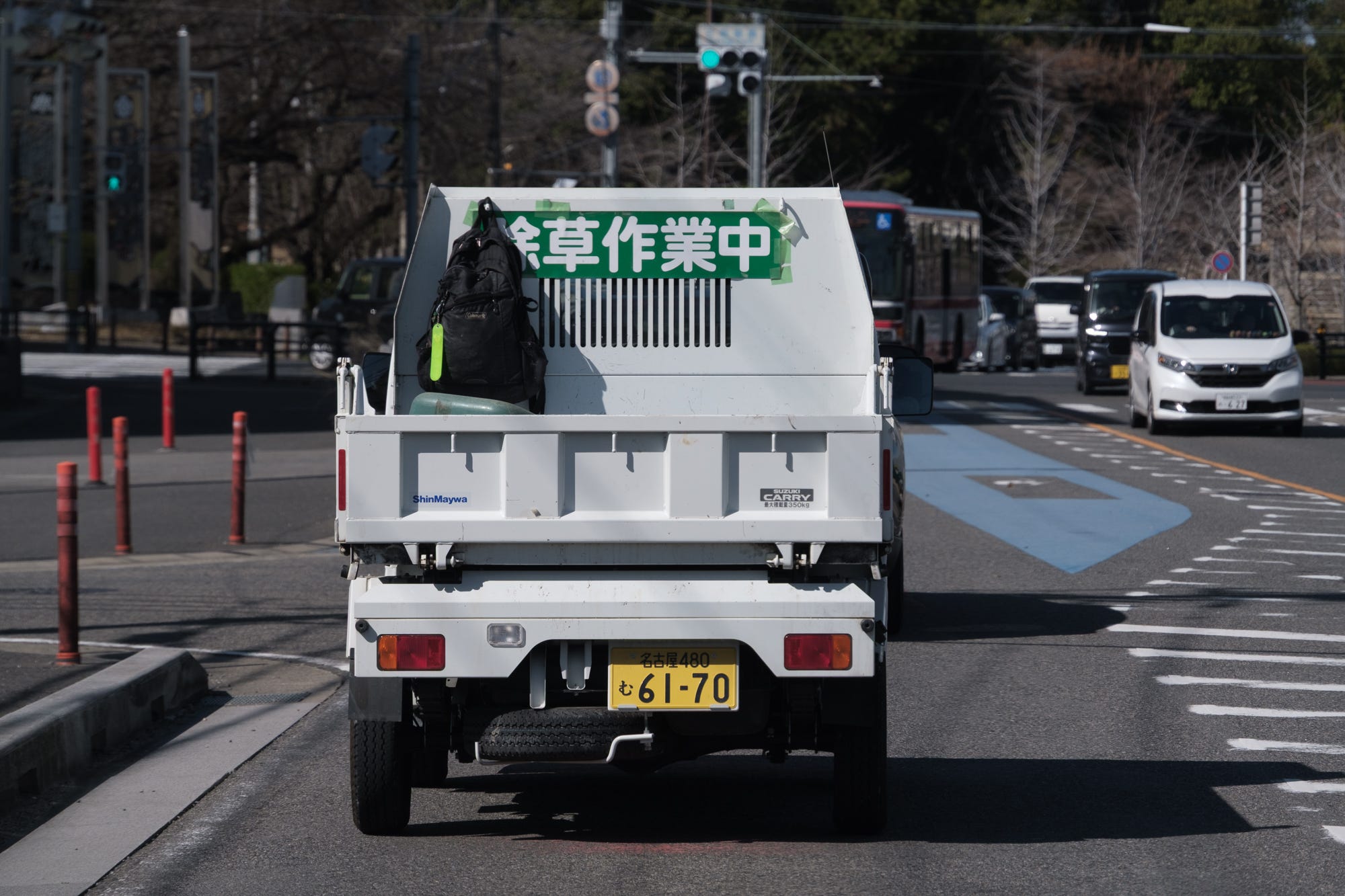
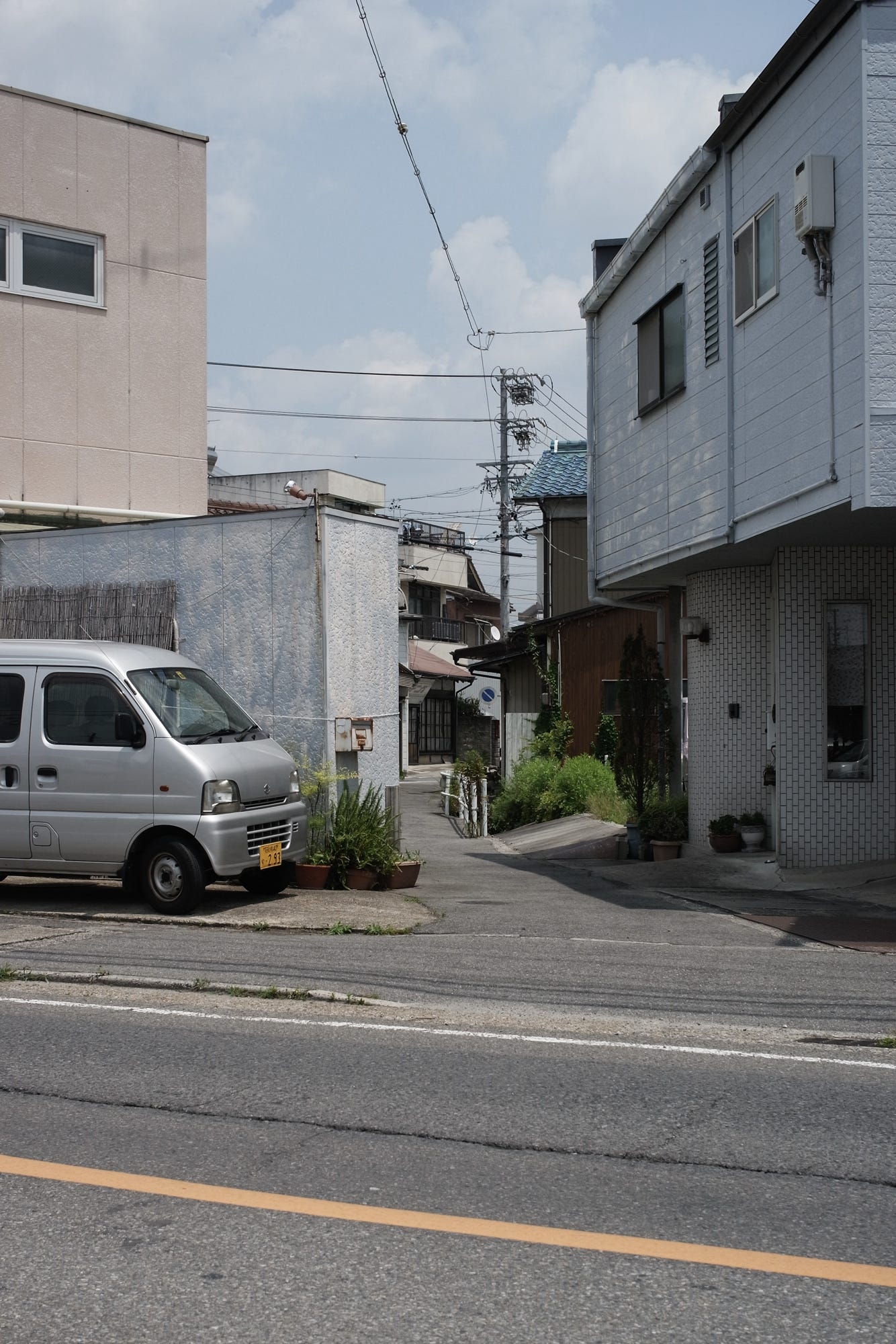
In various places in Japan, such as shopping malls and hospitals, you may notice parking spaces near the edges of parking lots marked with the character “軽 (Kei)”. These spaces are reserved exclusively for Kei cars. They are often created in areas where there is not enough room for a standard-sized vehicle, but where a Kei car can still fit.
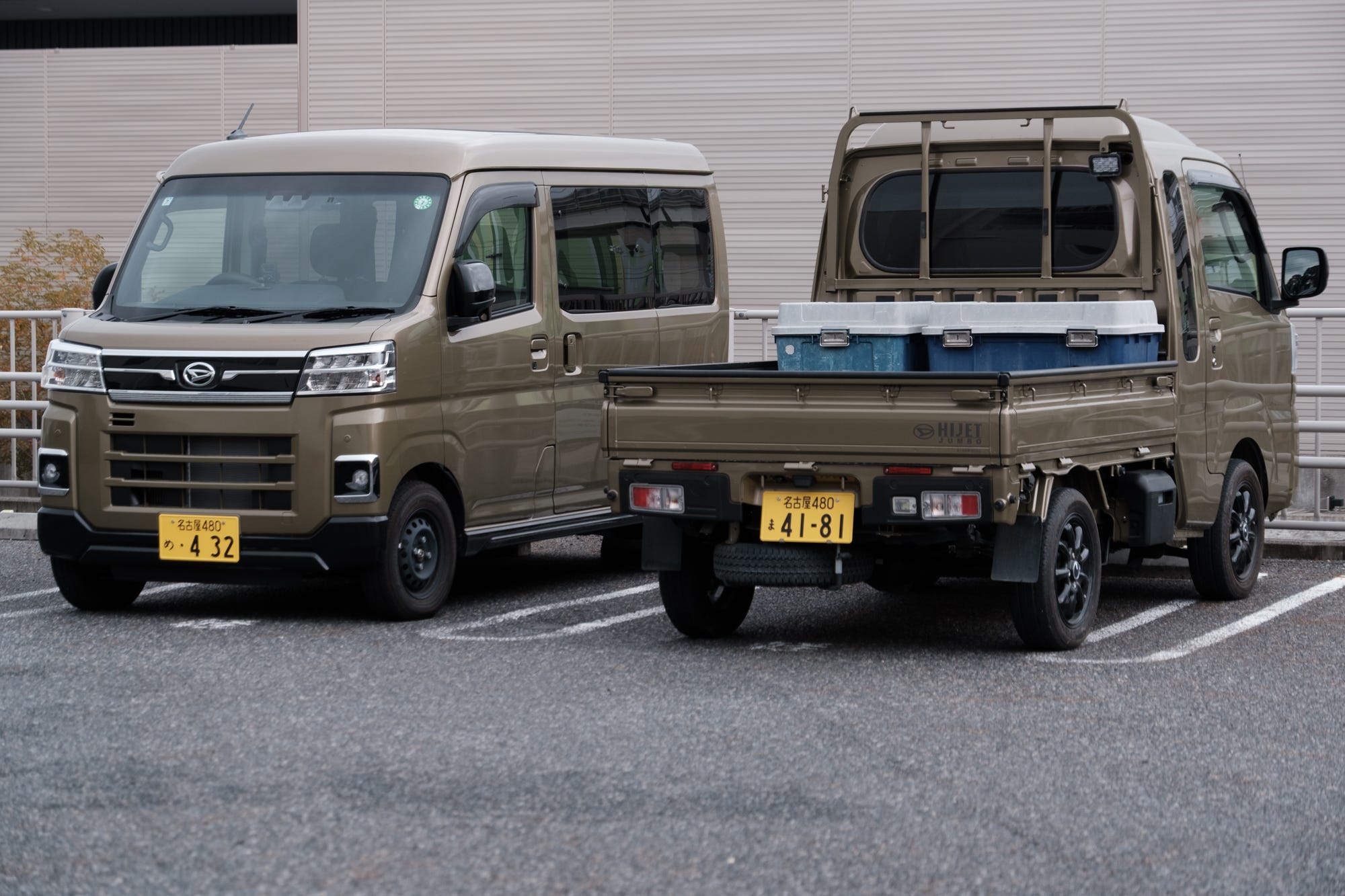
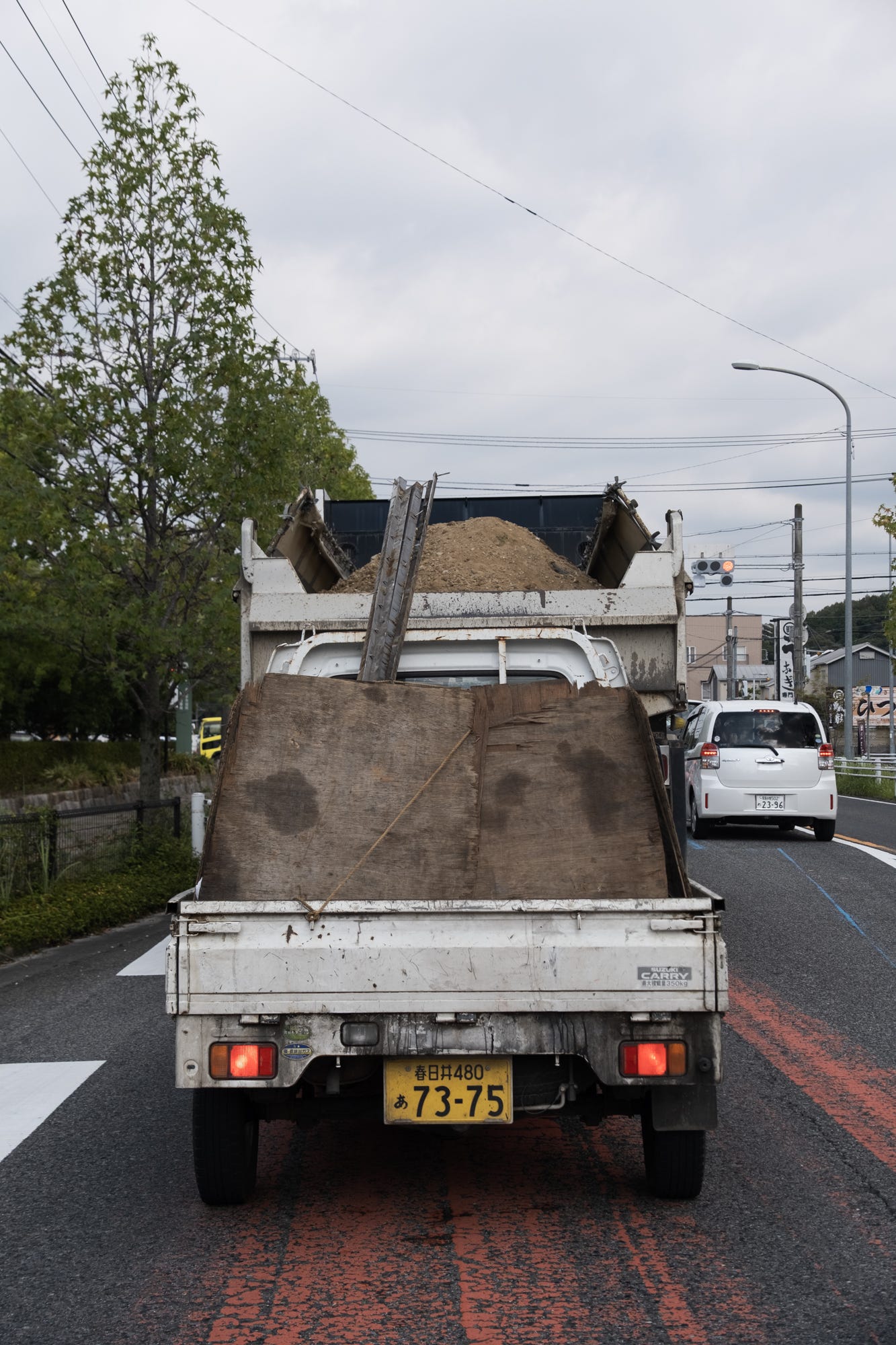
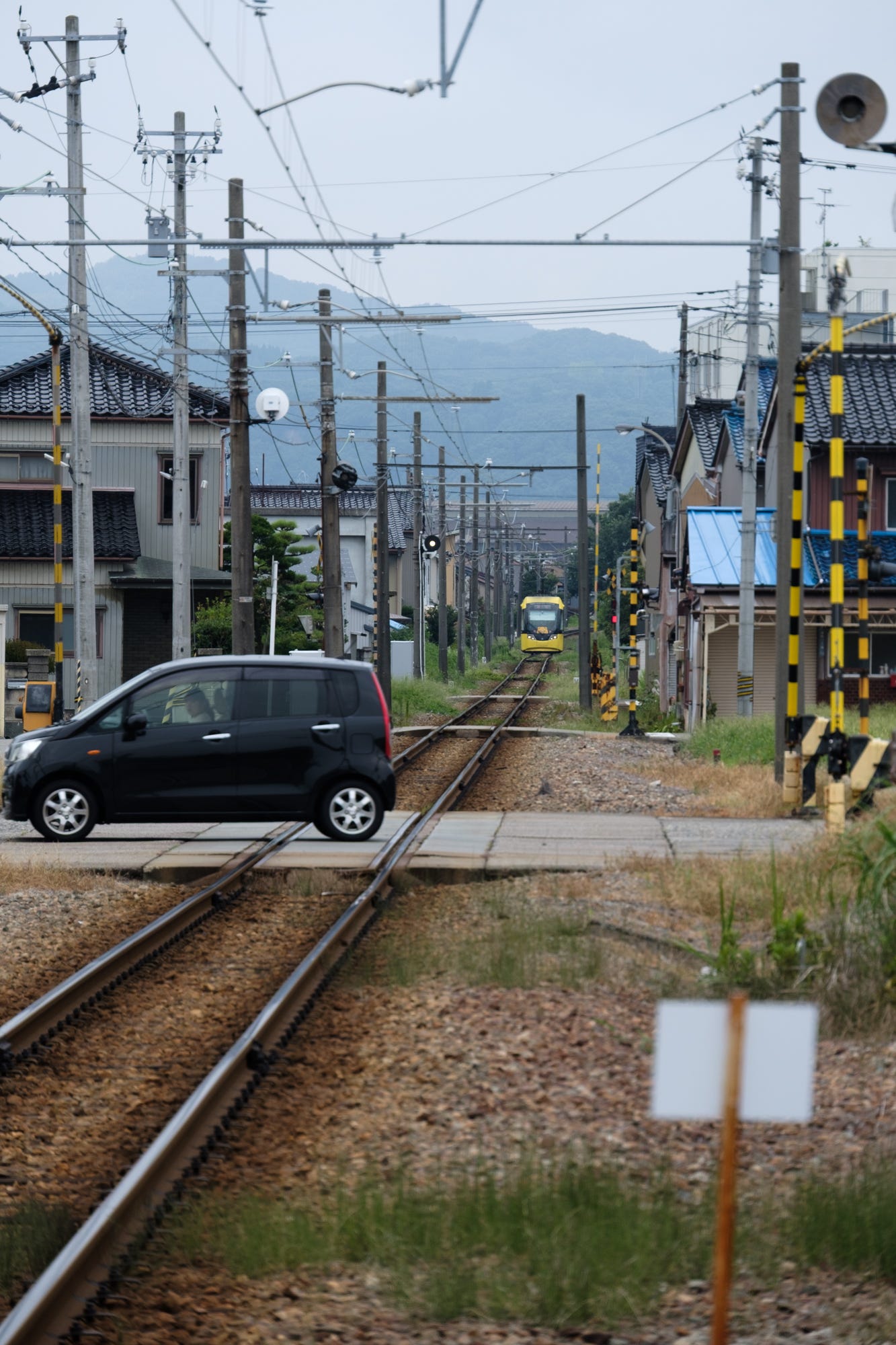
I believe these small cars play a significant role throughout Japan and are one of the key elements shaping Japanese society and its landscape.
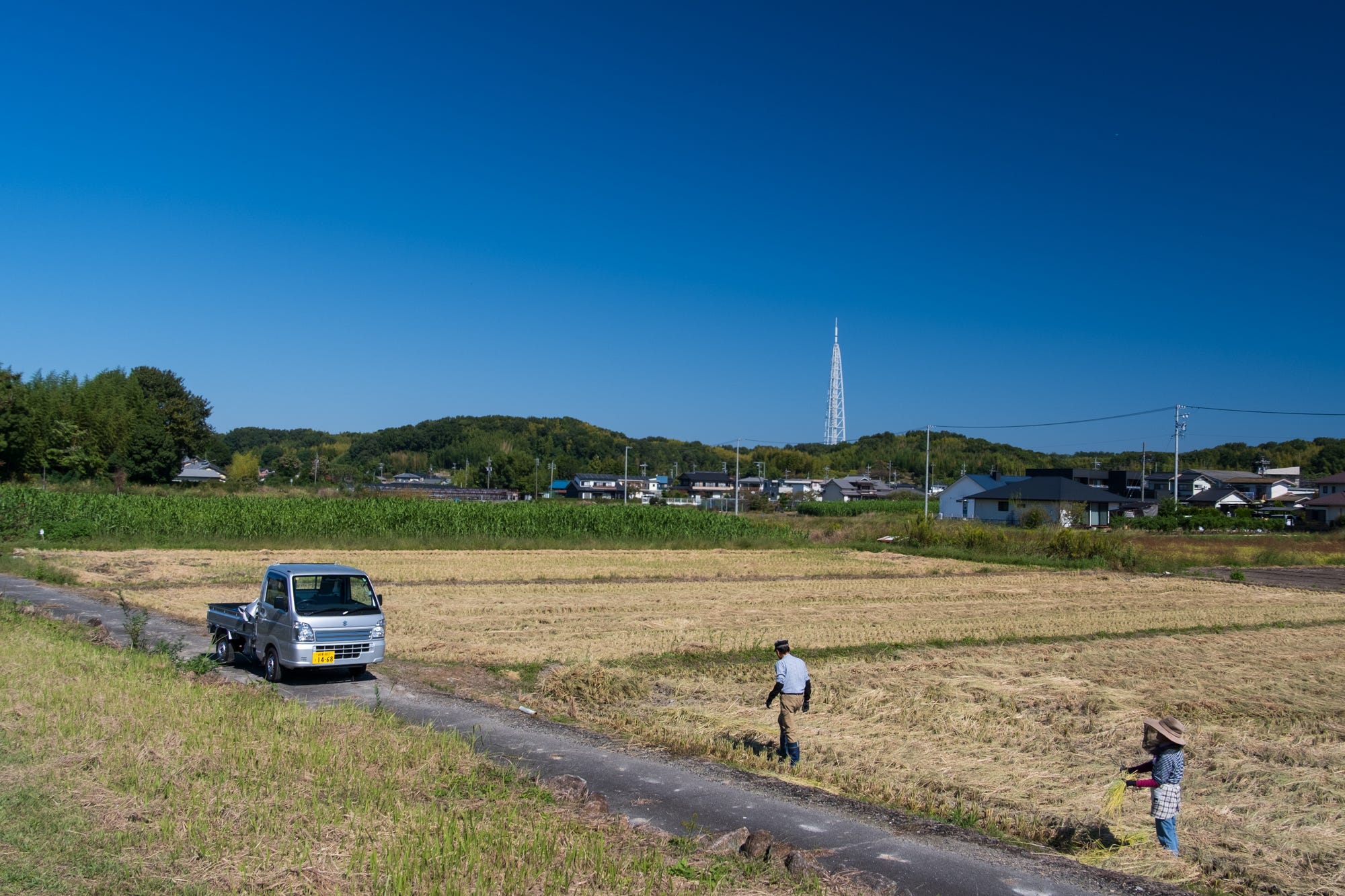
It’s Car Photography Week on Substack
To see more car photography posts, visit:
https://randomcapture.substack.com/p/carweek
We have spent a lot of time over the years in rural Ireland and Scotland including many of the various islands. We occasionally saw imported Kei cars there as well, which makes a lot of sense given the narrow winding country and village roads and the price of gas on the islands.
Beep! Beep!